

LI YU,
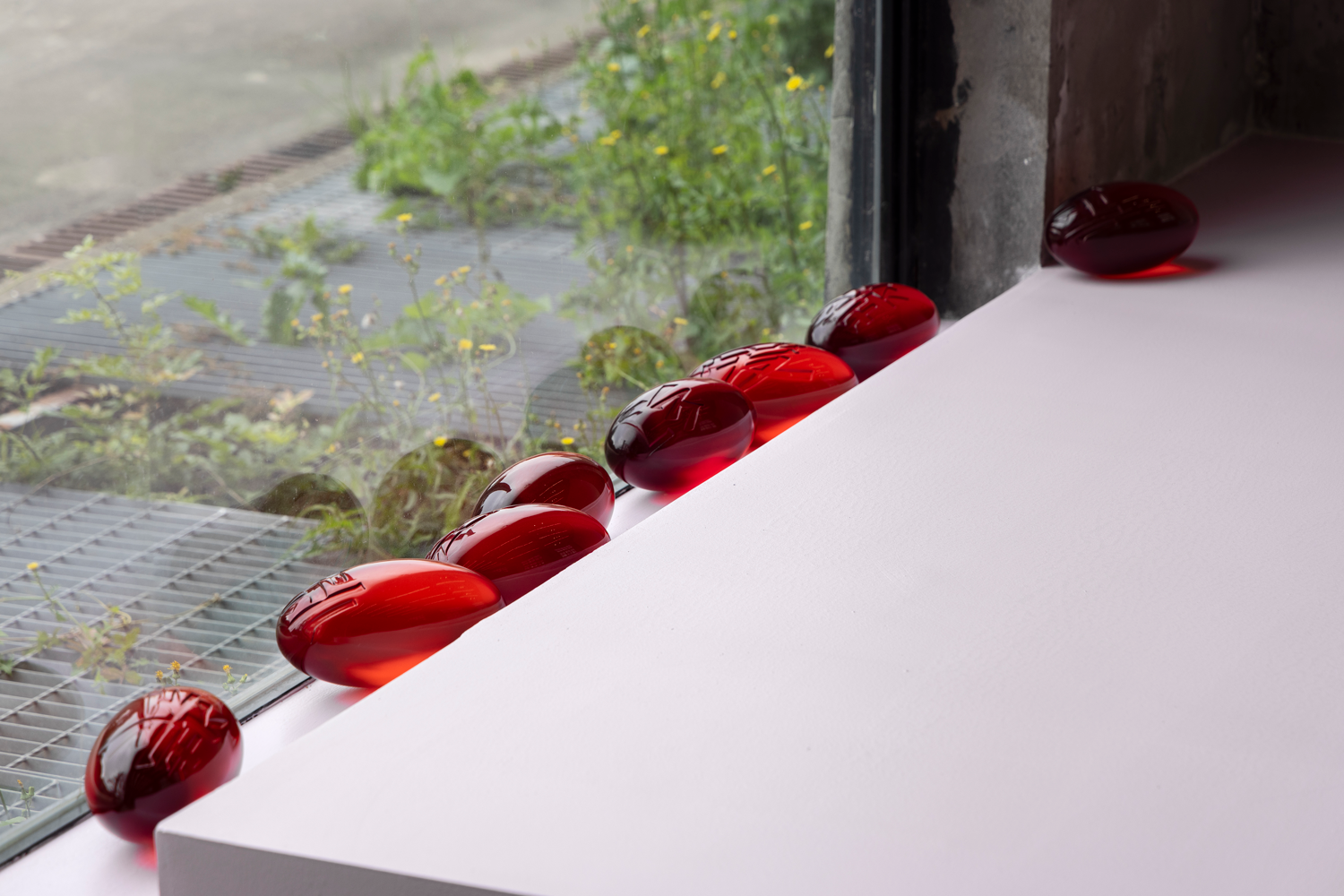
You’ve Got to Swallow Those Pills, 2026
LI YU,
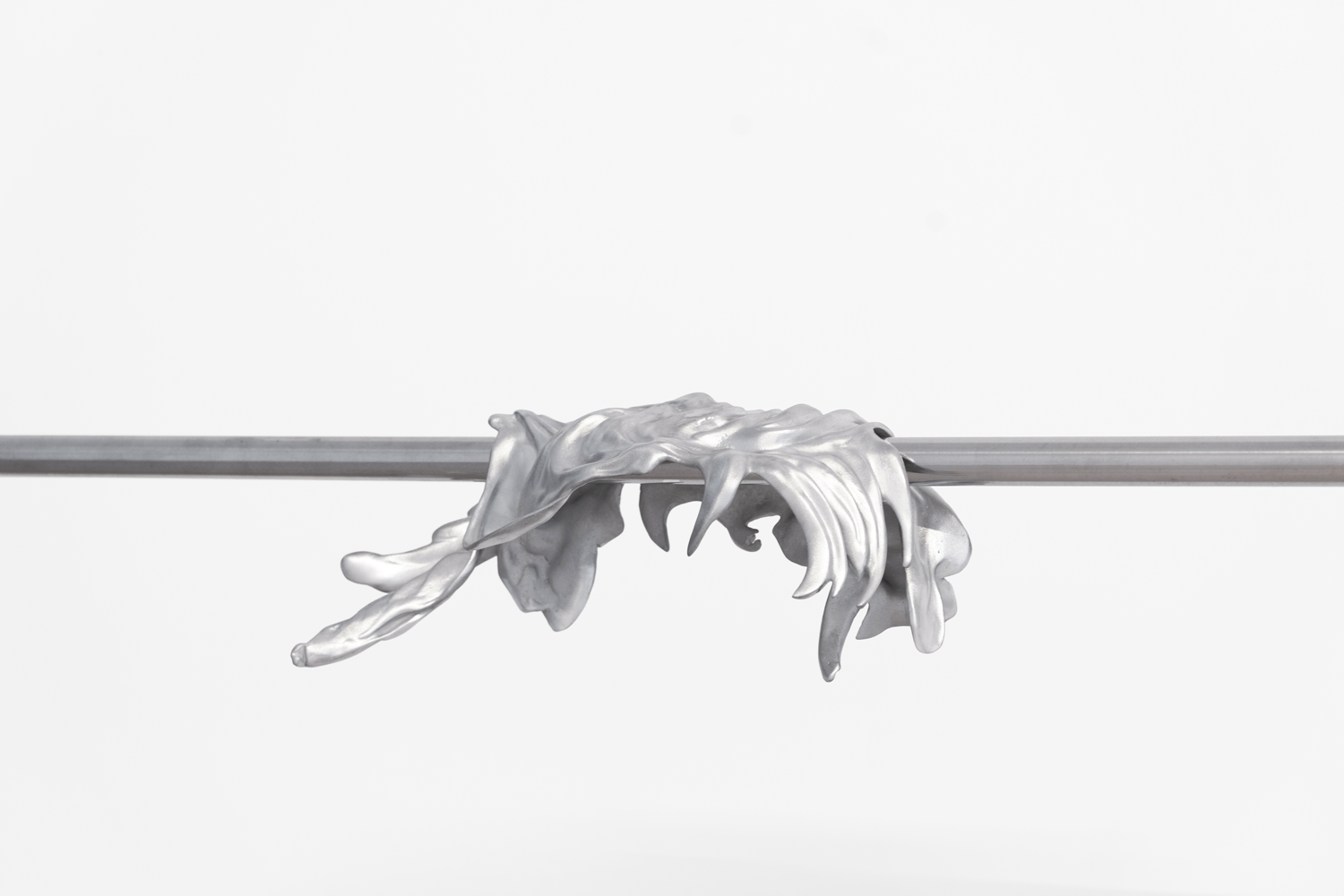
Dance Class – Abebe, 2026
LI YU,
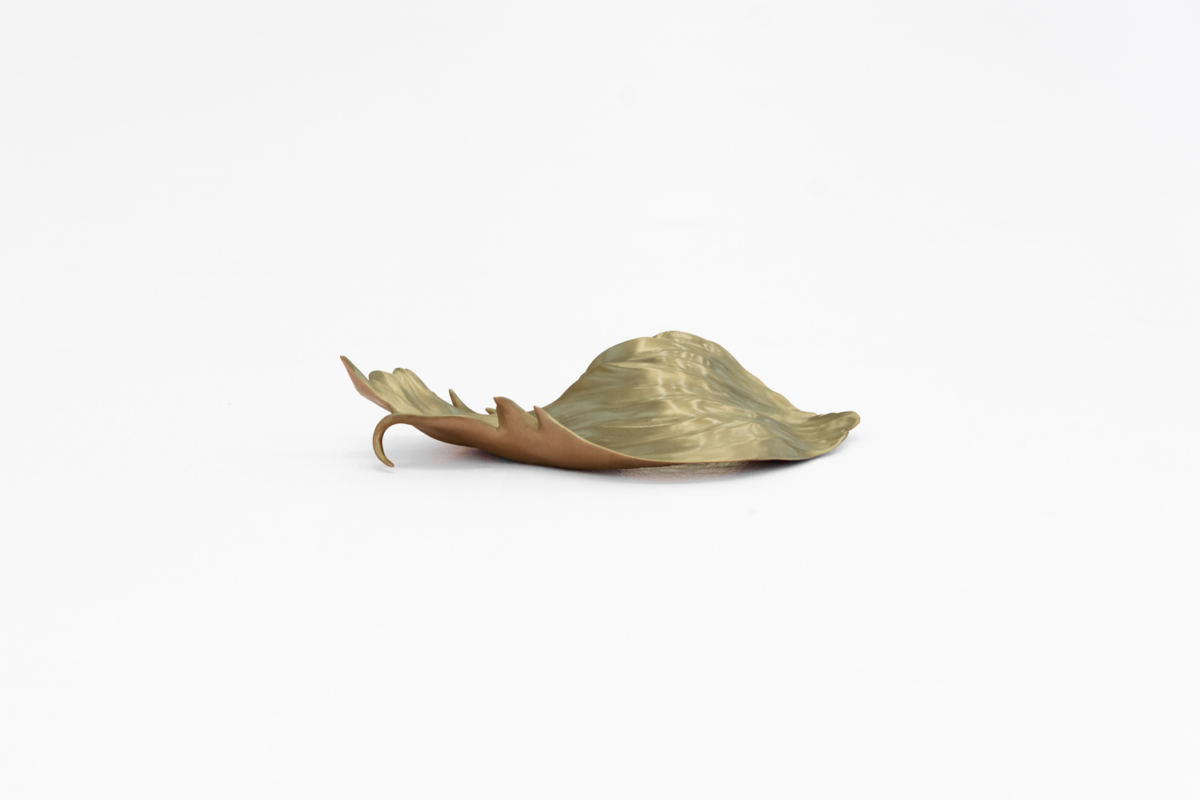
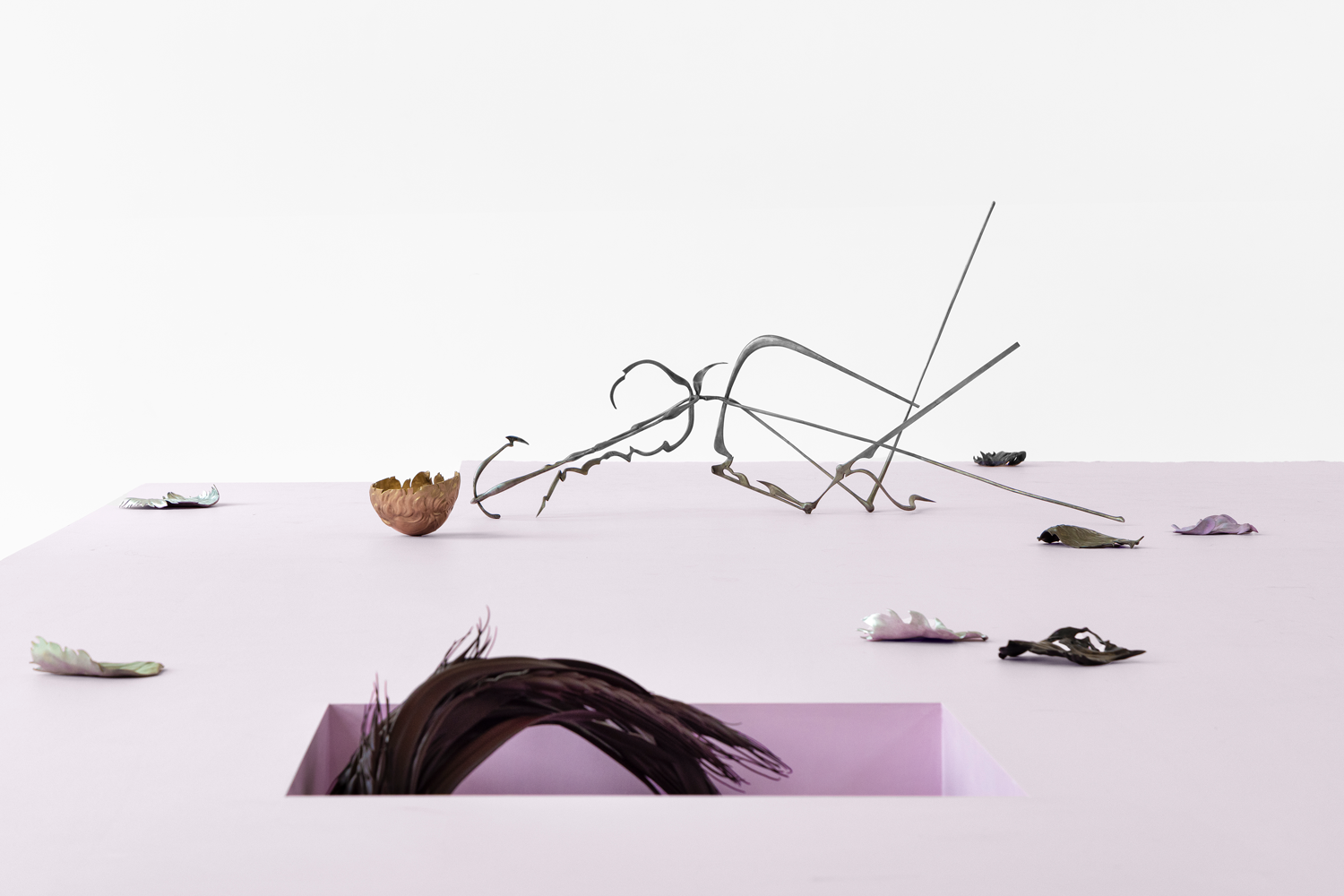
Seasonal Shedding, 2026
LI YU,
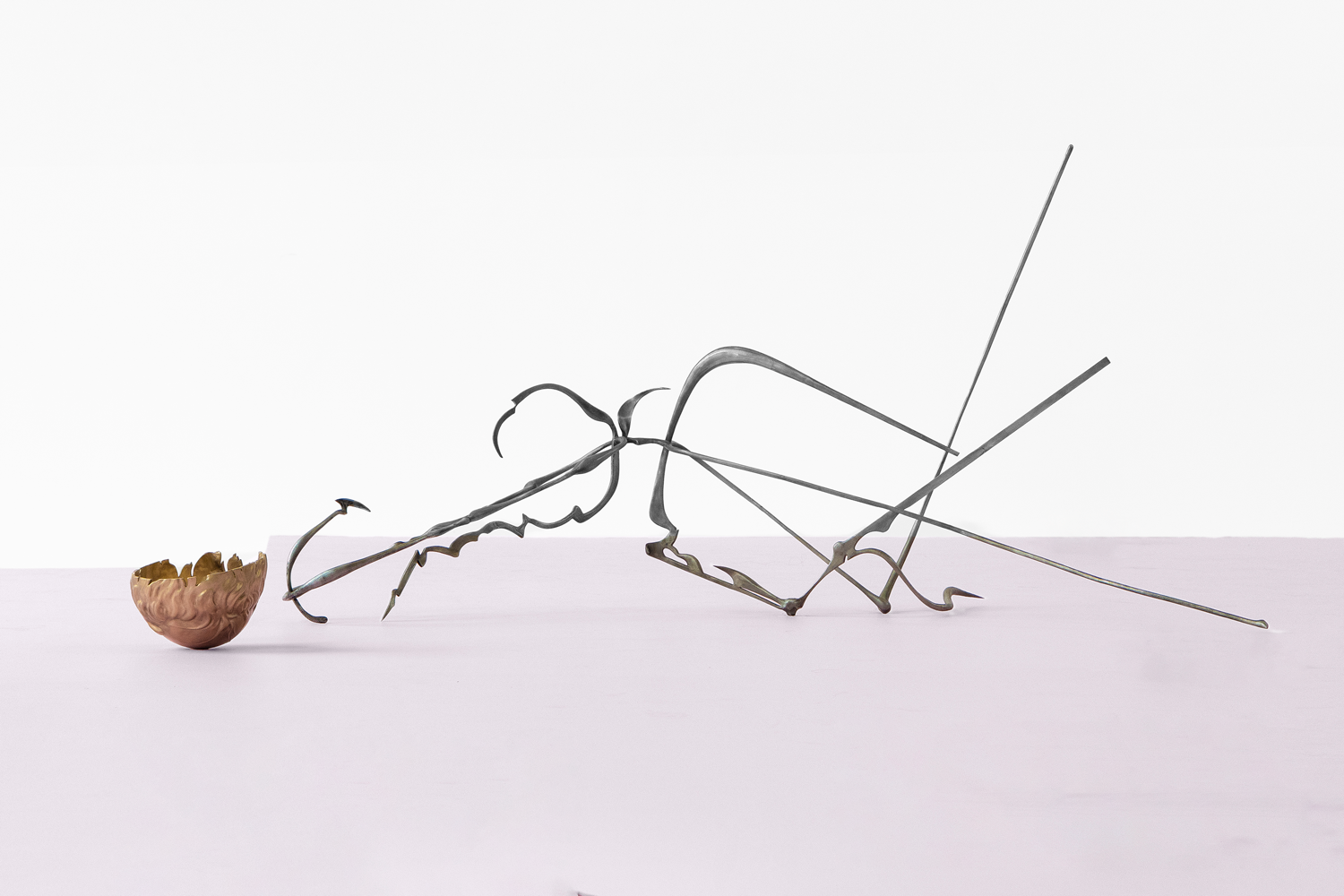
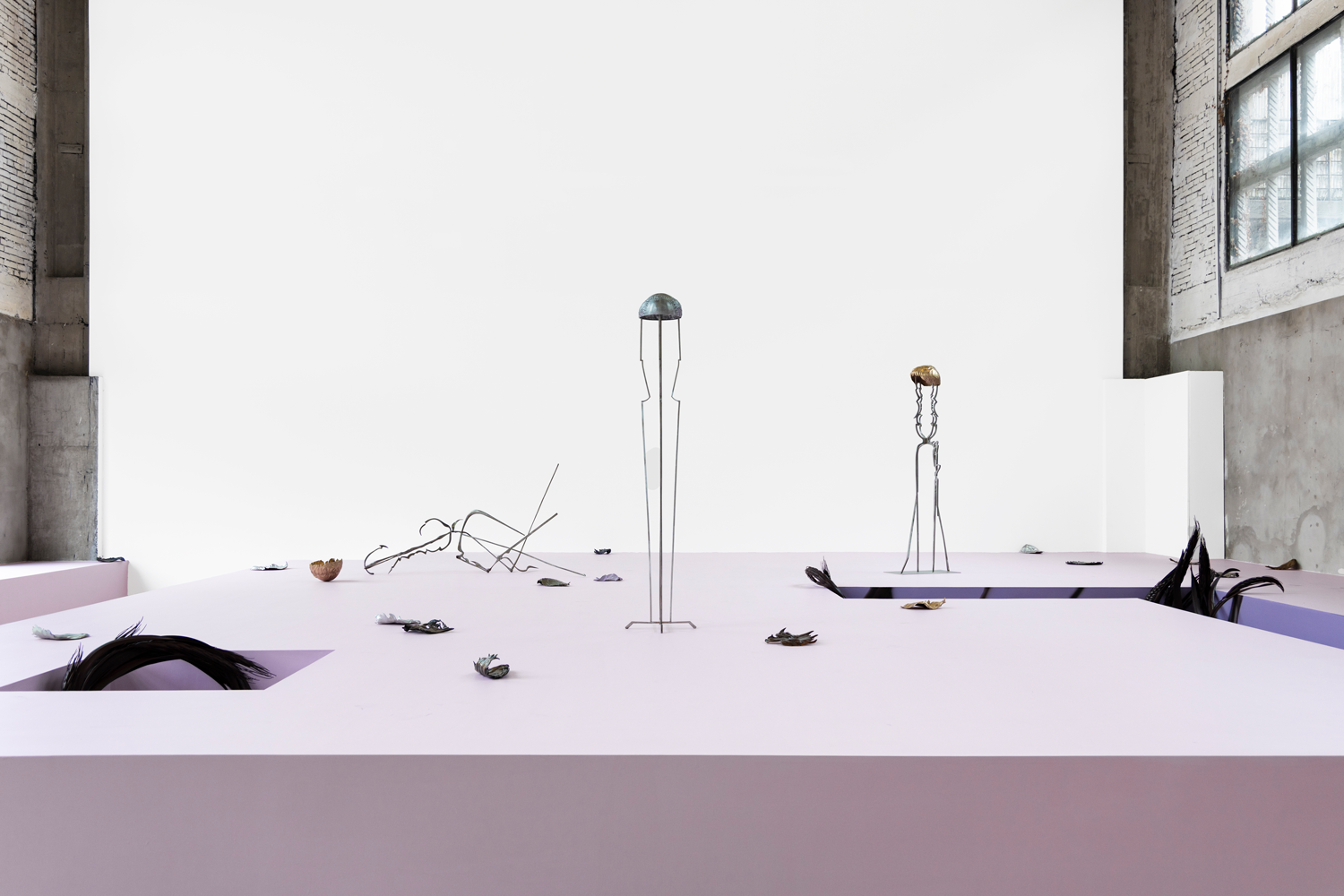
Our Heritage III, 2026
LI YU,
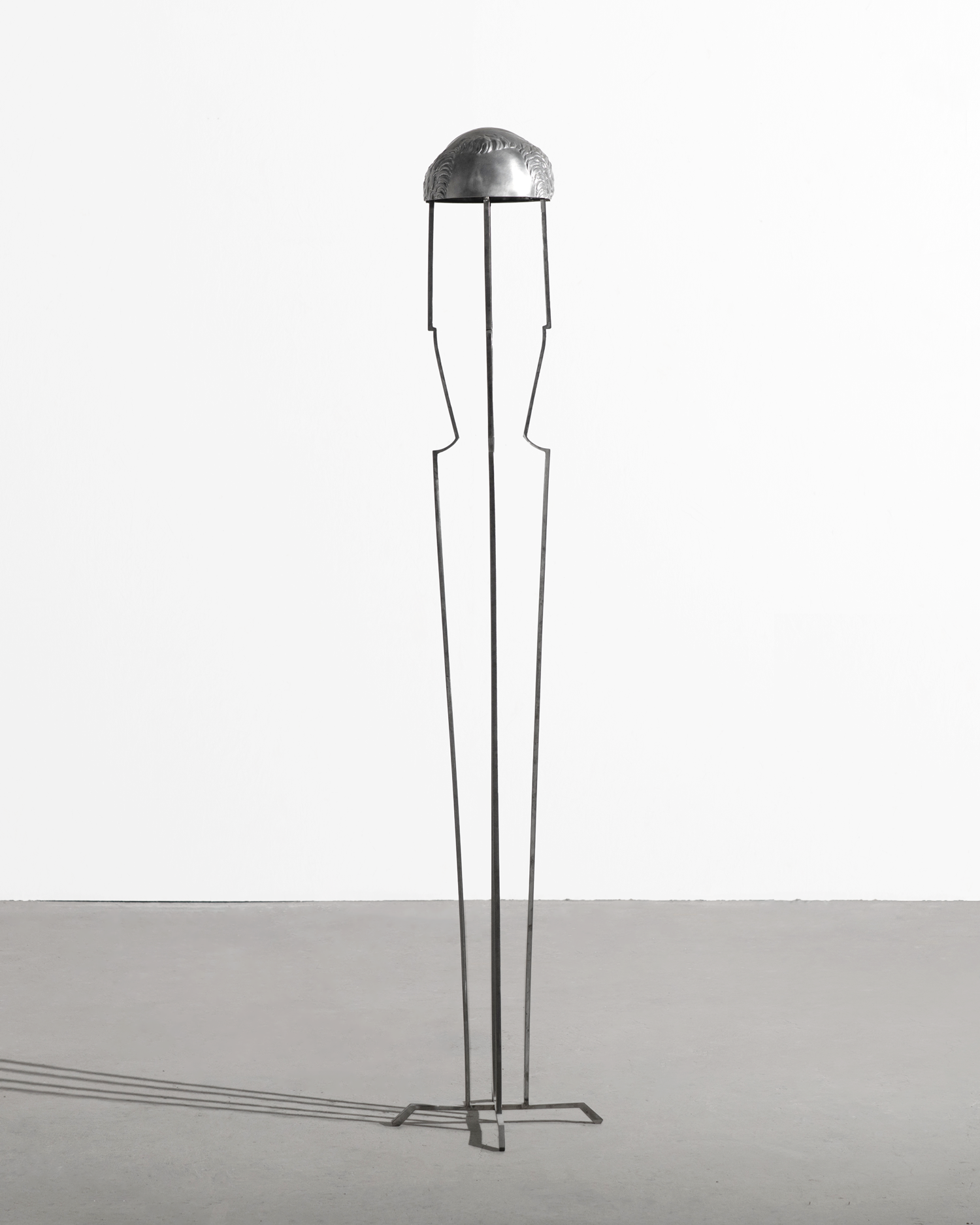
Our Heritage I, 2026
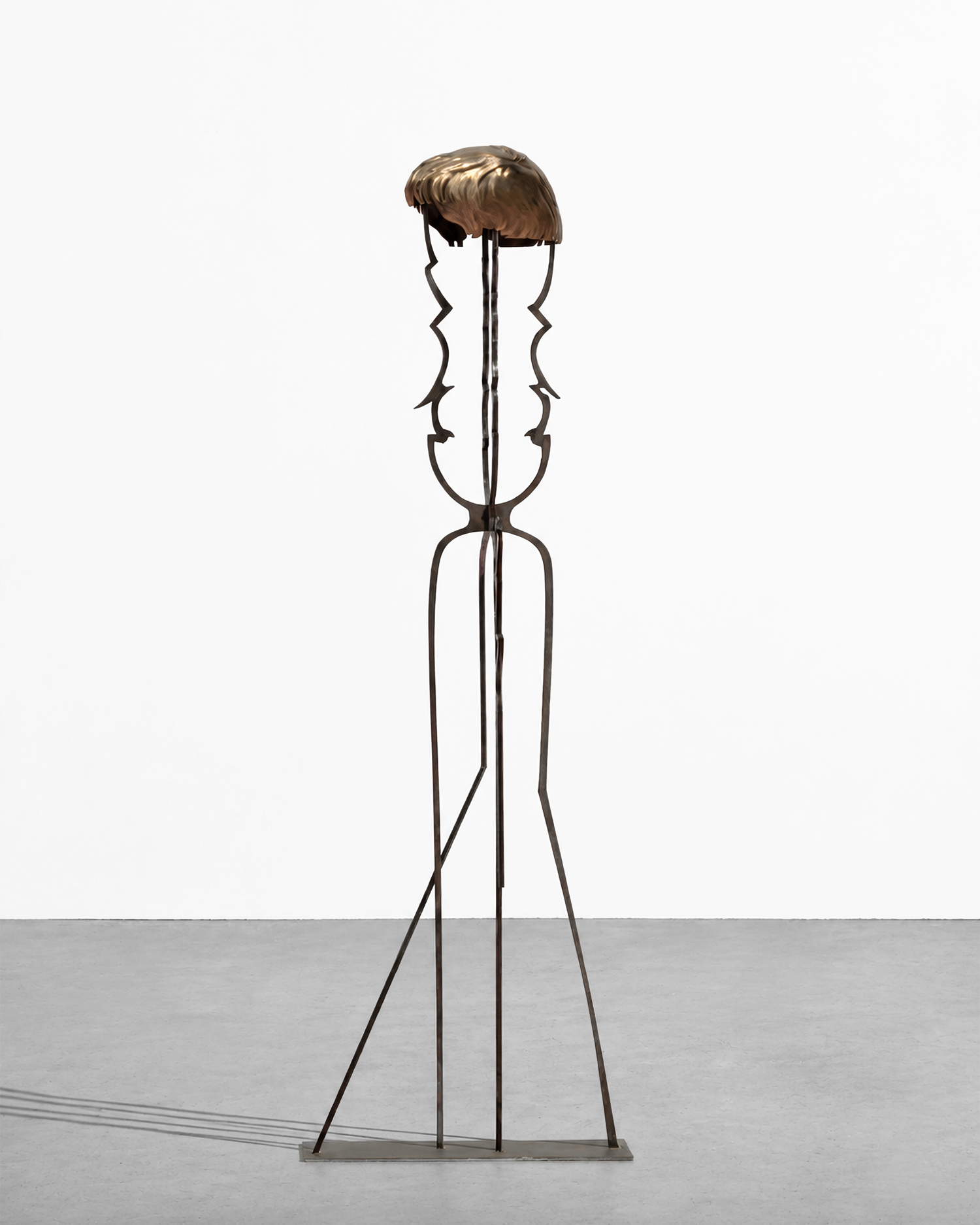
LI YU,
Our Heritage II, 2026
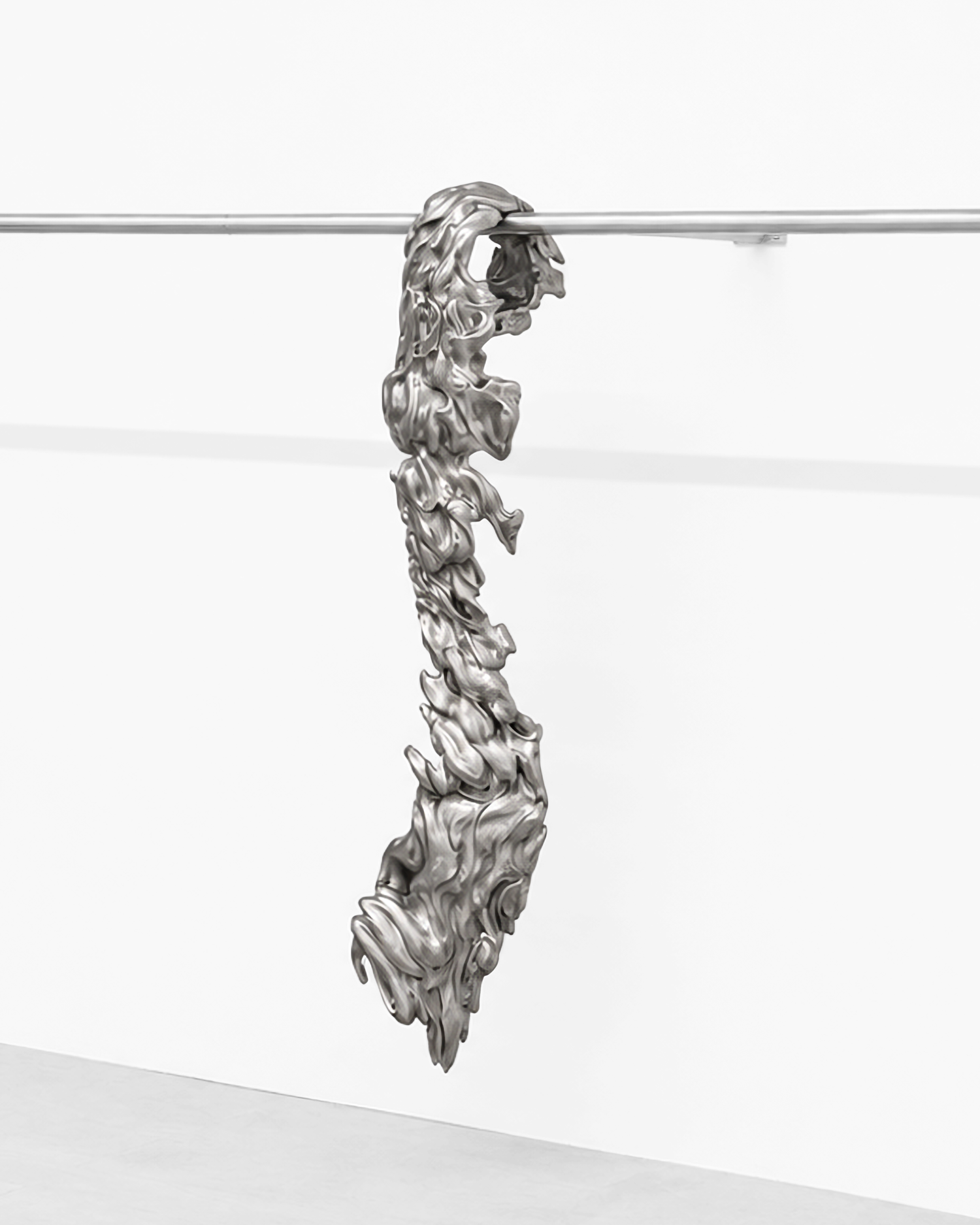
LI YU,
Dance Class – Louis XIV’s Long Curls, 2026
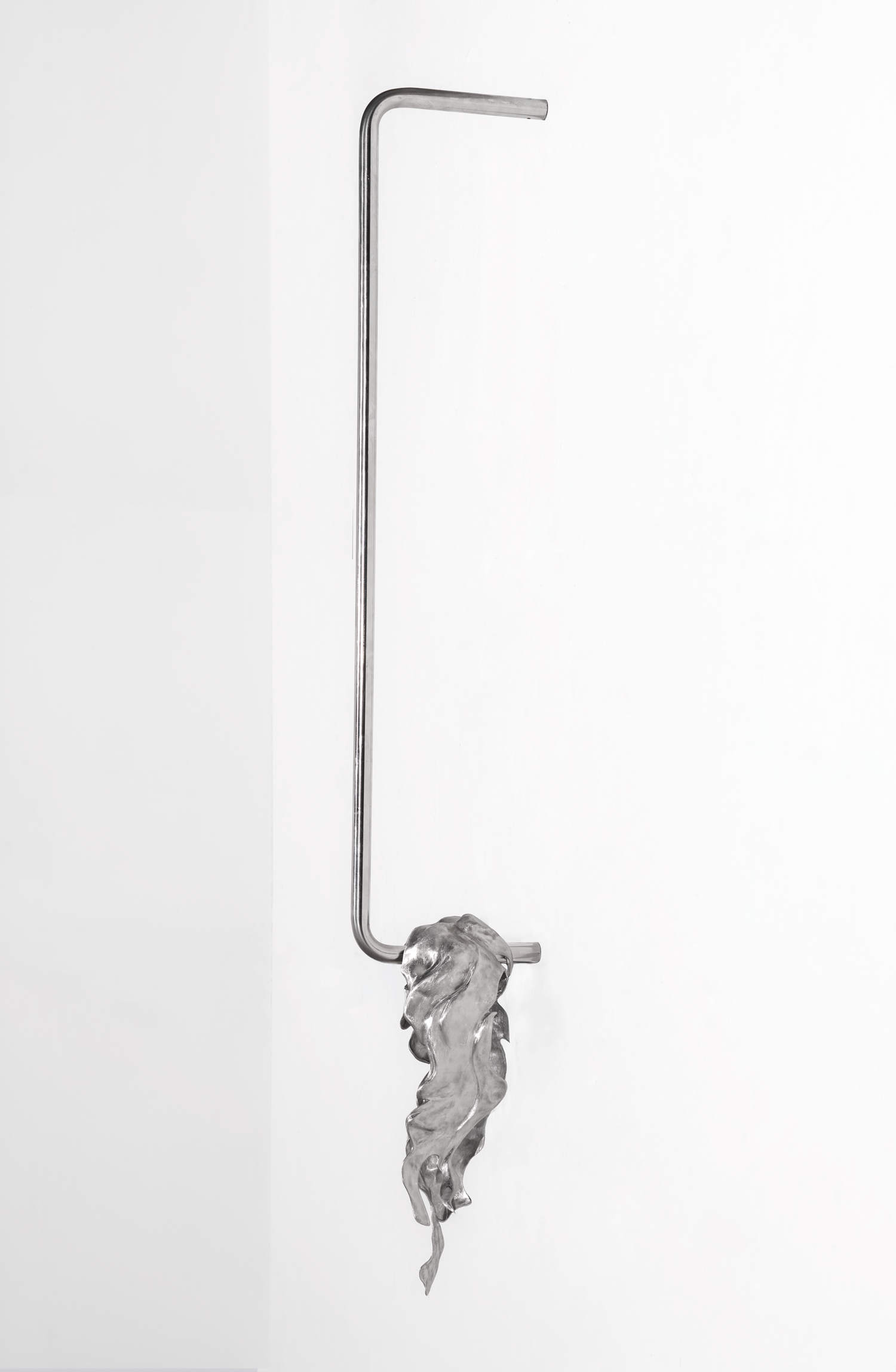
LI YU,
Dance Class – Alexander, 2026
The body is not a vessel awaiting interpretation: hormones can alter its form and sex characteristics, while power, politics and visual representation continually assigns, affirms, and rewrites the gendered meanings of dress, posture, and Labour at different historical moments. Consider, for instance, one such abandonment: in the late eighteenth century, European men, amid the smoke rising from steam engines, laid aside their silk hose, high-heeled shoes, jewellery, and heavy wigs, and donned plainer, more practical, sharply tailored garments in sober colours [1]. In 1960s China, across a land swept up in red fervour, women cast off feminine finery, took up rifles and ‘held up half the sky’. Both, each in their own historical moment, swallowed the red pill that symbolised ‘progress’.
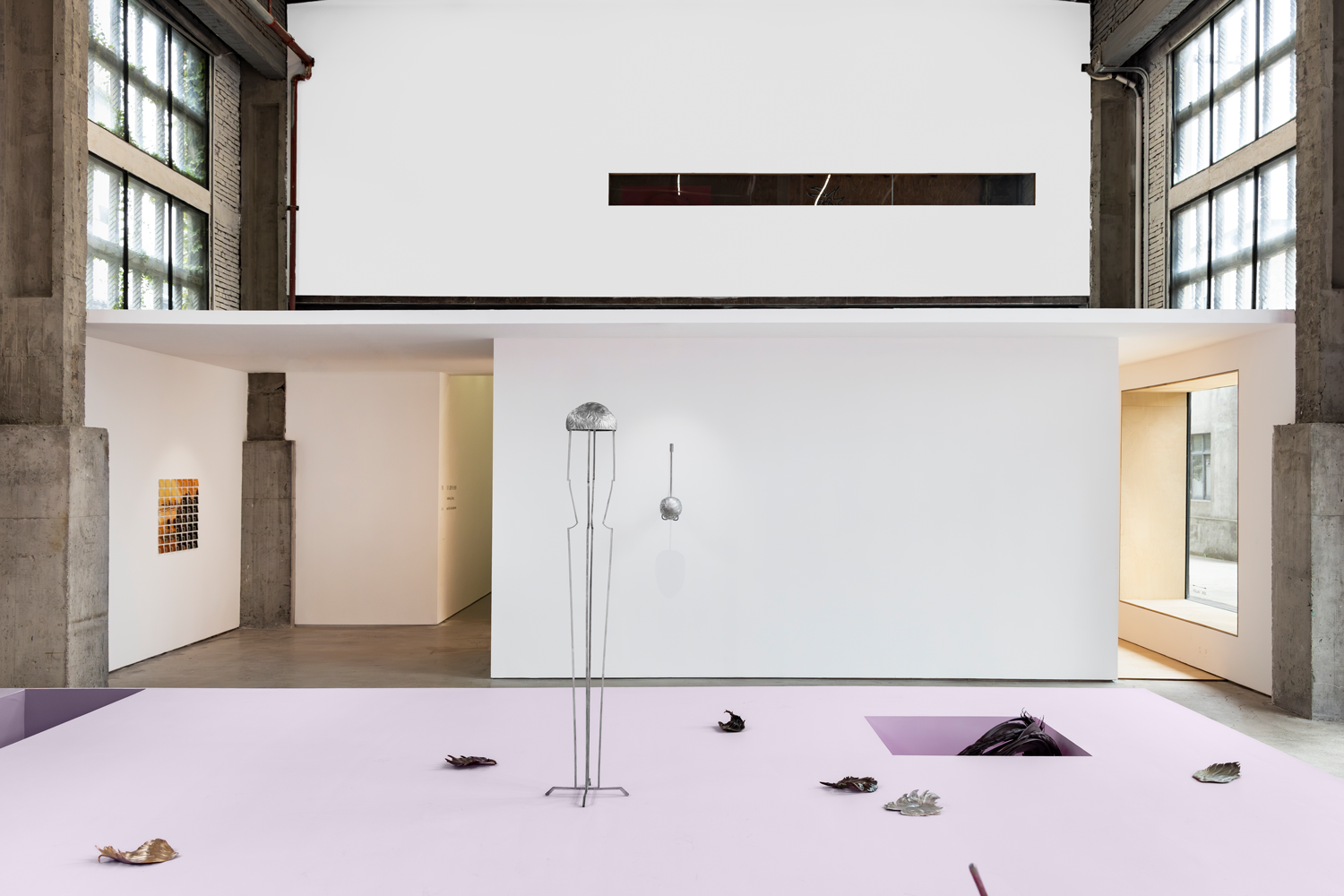
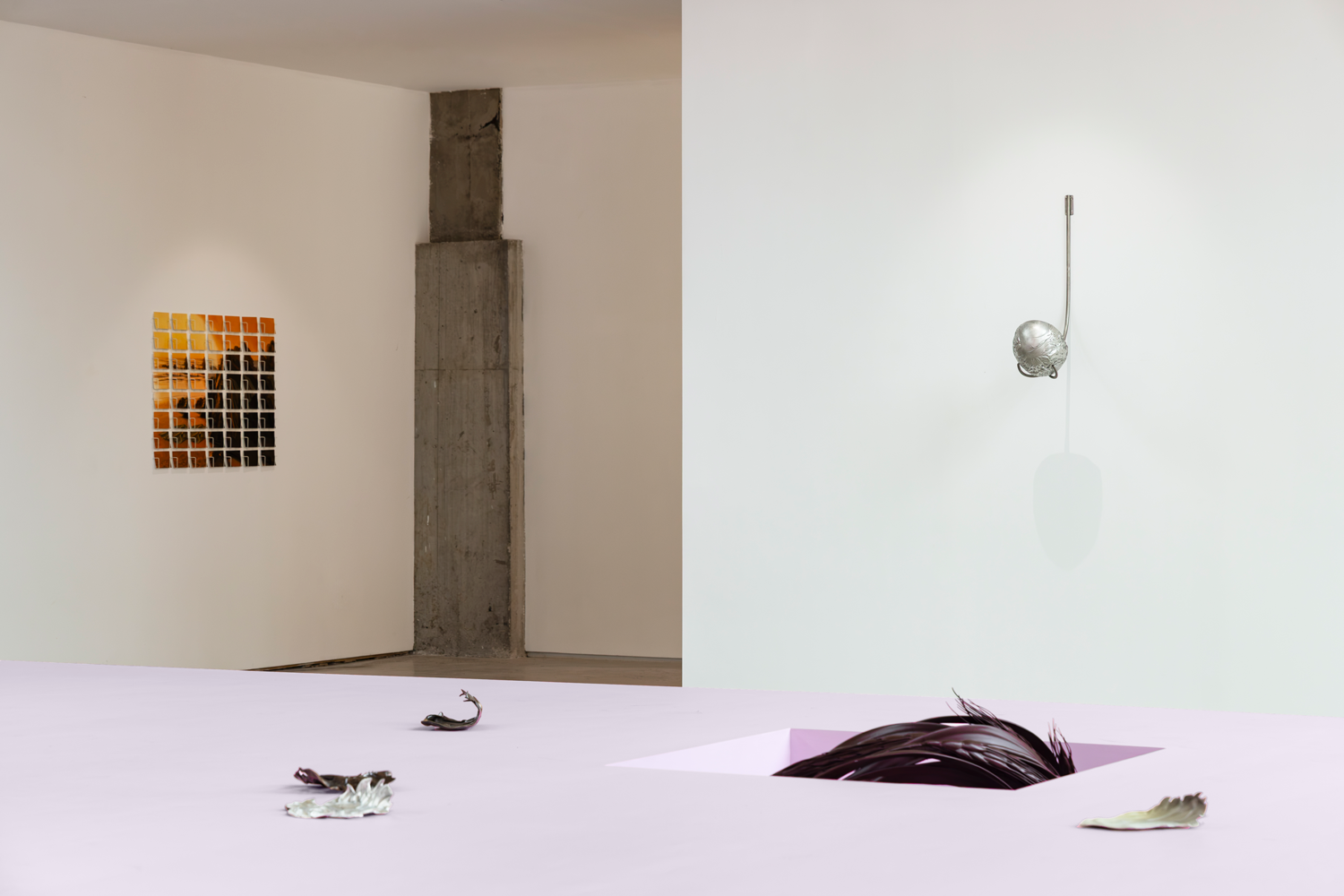
In You’ve Got to Swallow Those Pills, Li takes apart ‘不爱红装爱武装’ [2], rendered here as ‘They love their battle array, not silks and satins’, a line charged with the passions of its time, and reworks it into four variations, each spelled out across a succession of red pills [3] and each promising a different effect. By reassigning 爱 and 不爱 (‘love’ and ‘do not love’), she turns the slogan’s prescribed preference into four possible choices. As the artist writes, ‘The choice endorsed by the original line is placed back among a wider range of possibilities.’ You thus seem free to choose one, swallow it, and perform a ‘ritual of pleasure’ [4] of your own. Slogans gain public currency by taking shape in images. Not California, a work composed of multiple postcards, takes as its source a propaganda poster [5] from the same period, a watercolour of three armed women against a coastal landscape beneath an amber sky, with the slogan printed along the bottom. The women depicted in the original image entered public life through state-led policies and were themselves shaped into public images by those same policies. Using AI-assisted image-processing techniques, the artist erases their bodies, leaving behind only their garments and rifles. Once centred on its figures, the propaganda poster is thus transformed into a landscape: the mountains and sea in the background, the very land to be defended. If the choice is truly ours to make, then is truth something bestowed upon us, or something we swallow?
Li’s training in sculpture informs her attention to how images, language and bodies produce and circulate power. Drawing on historical imagery, she extracts, displaces and re-edits its elements, unsettling structures and hierarchies that appear fixed. A sly humour runs through her work, directed both at male figures fashioned into embodiments of authority and at her own position within a gendered system in which she, too, remains implicated.
Within commemorative traditions, sculpture has often been called upon to give form to moments of greatness and draw the viewer’s gaze upward in reverence. In this exhibition, however, Li redirects that gaze towards slender, off-balance, falling forms. Three of the metal sculptures in Our Heritage are set across a broad pink platform, meeting the viewer at eye level. Their supports reduce the postures of grandeur to a few thin metal lines, so slender that a gust of wind might topple them. Each carries the crown of a head, thinning with hair loss associated with hormonal imbalance. These crowns are modelled on ancient Greek and Roman statues of rulers; she deliberately leaves out their faces, keeping only the very top of the head. The fourth sculpture in the group is reduced to a hollow crown alone. Turned upside down and held out from the wall at the far end of the gallery on a cantilevered metal arm, it resembles both a pair of hands cradling a holy book and a severed head put on public display.
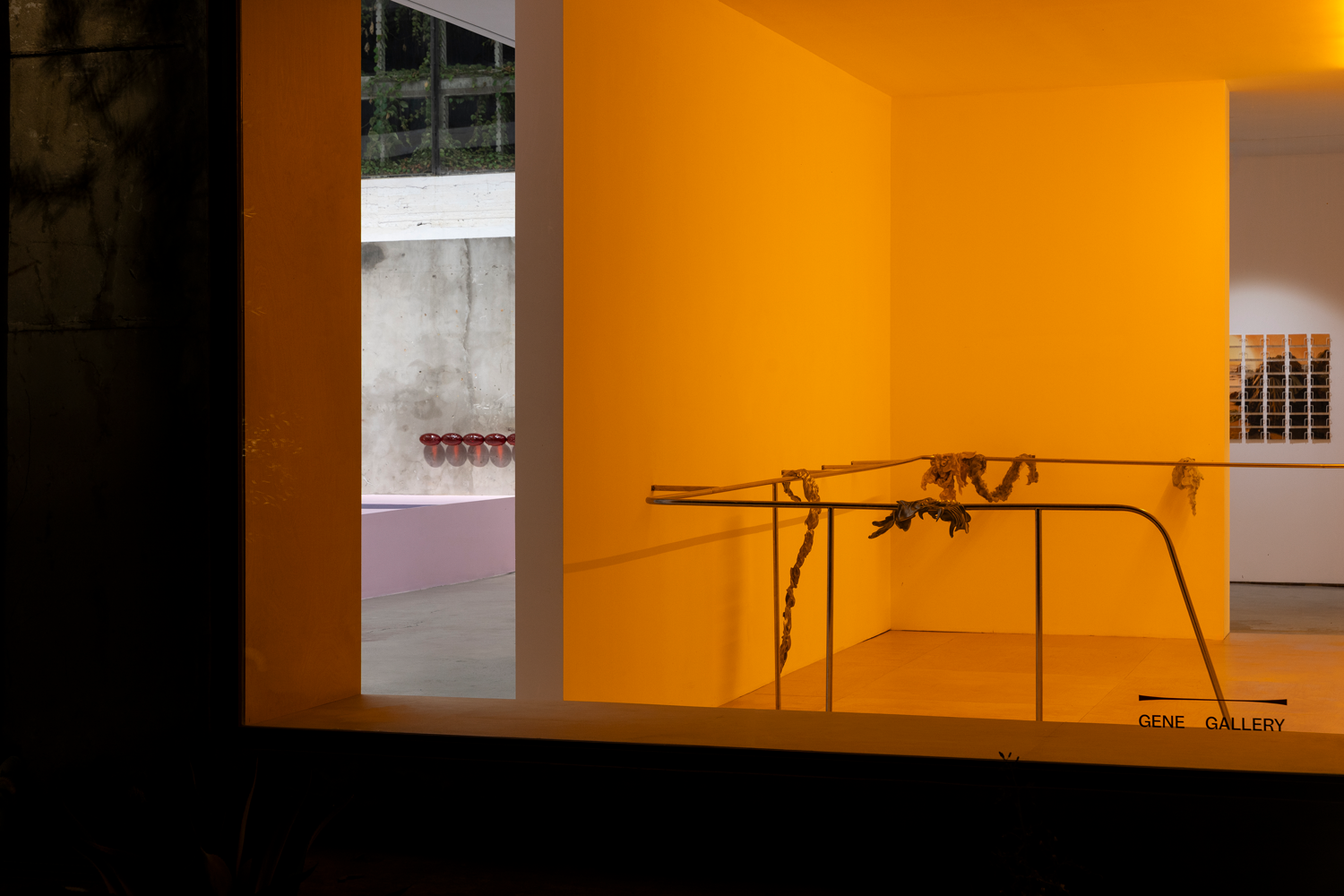
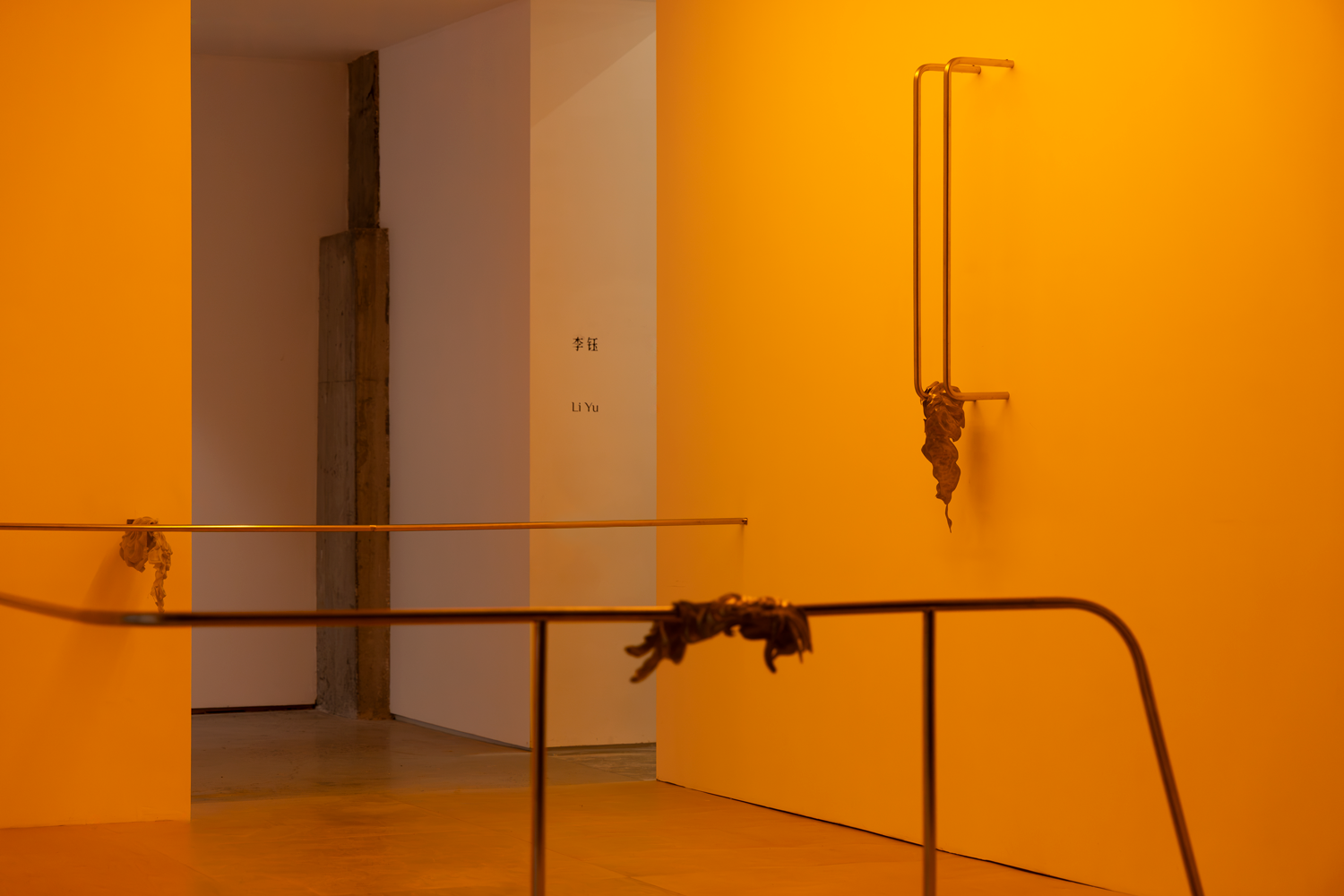
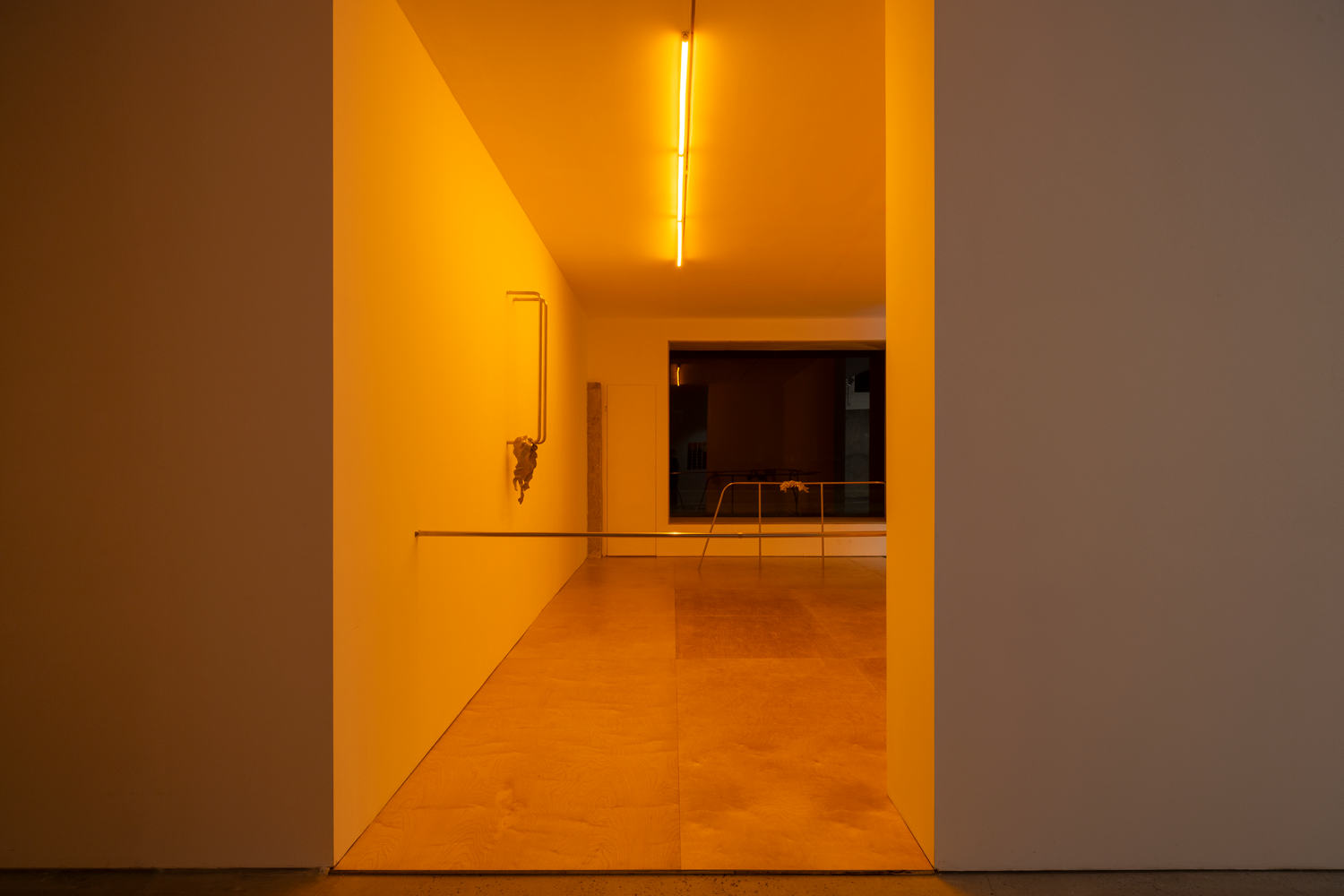
Echoing these faceless, bodiless figures, Seasonal Shedding is composed of individual hairpieces cast in metal. They seem to have been shed from the crowns, lying in disarray across the floor like fallen leaves, as if the wind had once danced through the space. By contrast, the dark-red buffeted wheat stalks set into the platform appear massive, sombre, and frenzied. Farther away, in a small gallery washed in soft light, the wigs of Alexander the Great and Louis XIV drape over a ballet barre, their long locks trailing to the floor. In Li’s work, the body may be absent, yet everything remains bound to it. Swallowing, dancing, and casting off must all be enacted through the body. These actions may seem entirely voluntary, yet they waver between submission and the impulse to break free. Perhaps sculpture can make room for states that resist being brought into order, give form to a moment of disorder, and draw the viewer’s gaze without demanding reverence.
[1] In fashion history, this shift is known as the ‘Great Masculine Renunciation’, a retrospective term coined by J. C. Flügel in The Psychology of Clothes (1930) to describe the late-eighteenth- and early-nineteenth-century Western turn from ornate male dress to sober, functional, and relatively uniform clothing amid the political revolutions and industrialisation of the period. [2] Taken from Mao Zedong’s 1961 poem ‘For a Photograph of a Woman Militia Member’, the line ‘不爱红装爱武装’ – where 红装 signifies feminine dress – rather than luxury or simply the colour red – and 武装 military dress became a powerful slogan of the early PRC’s ‘socialist new woman’, whose public identity was shaped through militia training, labour, and collective participation. The English rendering of the line follows the Foreign Languages Press translation of Mao’s poems. [3] In broader cultural usage, the term ‘red pill’ is associated with the choice between the red and blue pills in The Matrix. It was later adopted by online ‘manosphere’ communities, including r/TheRedPill, as a metaphor for a purported awakening to the ‘truth’ of gender relations. In these discourses it overlaps with anti-feminist, gender-essentialist and some alt-right rhetoric; the artist does not treat these contexts as a single historical lineage. [4] Here ‘ritual of pleasure’ adapts Angela McRobbie’s phrase ‘seemingly autonomous pleasures and rituals of enjoyable femininity’ from the introduction to The Aftermath of Feminism: Gender, Culture and Social Change (2008, p. 3), relocating her critique of consumer-cultural choice to Li’s formal recombination of a revolutionary slogan rather than claiming a direct historical connection between the two. [5] They Love Their Battle Array, Not Silks and Satins (不爱红装爱武装), a propaganda poster depicting Chinese women militia members, published by China Film Press in 1964.
RELATED ARTISTS

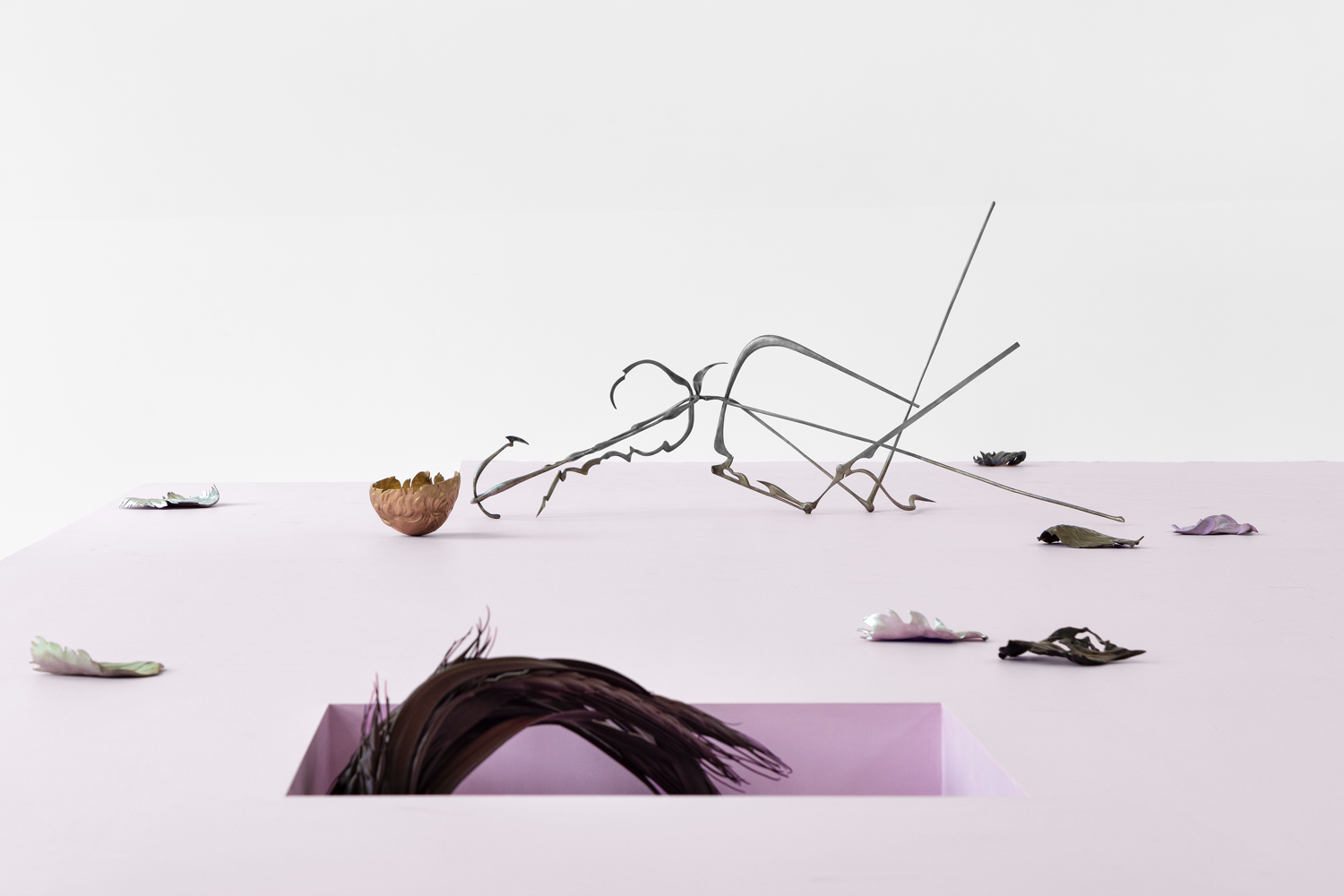
SOLO EXHIBITION, SOME, SLIGHTLY, 2026
SOLO EXHIBITION
SWALLOWING, DANCING,
AND ONE GREAT ABANDONMENT
INSTALLATION VIEW, 2026
SOLO EXHIBITION
SWALLOWING, DANCING,
AND ONE GREAT ABANDONMENT
INSTALLATION VIEW, 2026
SOLO EXHIBITION
SWALLOWING, DANCING,
AND ONE GREAT ABANDONMENT
INSTALLATION VIEW, 2026
SOLO EXHIBITION
SWALLOWING, DANCING,
AND ONE GREAT ABANDONMENT
INSTALLATION VIEW, 2026
SOLO EXHIBITION
SWALLOWING, DANCING,
AND ONE GREAT ABANDONMENT
INSTALLATION VIEW, 2026
SOLO EXHIBITION
SWALLOWING, DANCING,
AND ONE GREAT ABANDONMENT
INSTALLATION VIEW, 2026
SOLO EXHIBITION
SWALLOWING, DANCING,
AND ONE GREAT ABANDONMENT
INSTALLATION VIEW, 2026
SOLO EXHIBITION
SWALLOWING, DANCING,
AND ONE GREAT ABANDONMENT
INSTALLATION VIEW, 2026